
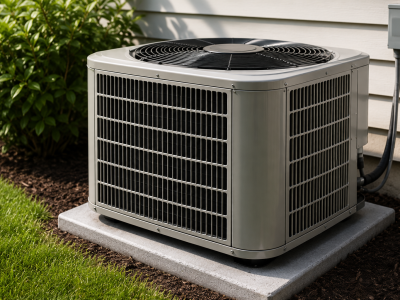
When your air conditioner is running on a hot summer day, several important components work together to keep your home cool and comfortable. One of the most essential parts is the air conditioner condenser. But what does a condenser do in an air conditioner, and why is it so important?
In this guide, we’ll explain how an AC condenser works, the signs of condenser problems, maintenance tips, and why this component is critical for your cooling system’s performance. If you need help from a trusted HVAC professional, working with an experienced HVAC contractor in Springfield, MO can help keep your cooling system running efficiently year-round.
What Is a Condenser in an Air Conditioner?
The condenser is the outdoor unit of your air conditioning system. Its main job is to release the heat collected from inside your home to the outside air.
Your AC system doesn’t actually create cold air. Instead, it removes heat from indoors and transfers it outside. The condenser plays a major role in that heat transfer process.
The outdoor condenser unit typically contains:
- The condenser coil
- A compressor
- A fan
- Electrical components
Together, these parts help your air conditioner cool your home efficiently.
How Does an AC Condenser Work?
To understand what a condenser does, it helps to know the basic cooling cycle of an air conditioner.
Step 1: Heat Is Absorbed Indoors
Warm air from your home passes over the evaporator coil inside your HVAC system. Refrigerant inside the coil absorbs the heat.
Step 2: Refrigerant Travels to the Condenser
The refrigerant, now carrying heat, moves to the outdoor condenser unit through refrigerant lines.
Step 3: The Compressor Increases Pressure
Inside the condenser, the compressor pressurizes the refrigerant, raising its temperature.
Step 4: Heat Is Released Outside
The condenser fan blows outdoor air across the condenser coil. This releases the heat outside your home.
Step 5: Refrigerant Cools Down
As the refrigerant loses heat, it changes from a gas back into a liquid and returns indoors to repeat the process.
This continuous cycle keeps your home cool even during extreme summer temperatures.
Why Is the Condenser Important?
Without the condenser, your air conditioner couldn’t remove heat from your home. The condenser is responsible for:
- Releasing indoor heat outdoors
- Helping refrigerant circulate properly
- Supporting energy-efficient cooling
- Maintaining comfortable indoor temperatures
A properly functioning condenser helps your AC system cool faster while using less energy. If your system struggles to maintain comfortable temperatures, professional AC repair in Springfield, MO, services can help diagnose and fix the issue quickly.
Common Signs of a Bad AC Condenser
Like any HVAC component, the condenser can develop problems over time. Here are some warning signs homeowners should watch for:
1. Warm Air Coming From Vents
If your AC blows warm or slightly cool air, the condenser may not be releasing heat properly.
2. Strange Noises
Grinding, rattling, buzzing, or banging sounds from the outdoor unit can indicate condenser or compressor issues.
3. Higher Energy Bills
A struggling condenser forces your air conditioner to work harder, increasing energy usage.
4. AC Frequently Turns On and Off
Short cycling may indicate overheating or condenser problems.
5. Frozen Coils
Poor heat transfer can lead to frozen evaporator coils indoors.
6. Outdoor Unit Won’t Turn On
Electrical issues or compressor failure inside the condenser unit may prevent operation entirely.
What Causes Condenser Problems?
Several issues can affect AC condenser performance, including:
- Dirty condenser coils
- Blocked airflow from debris or plants
- Refrigerant leaks
- Damaged fan motors
- Electrical failures
- Compressor wear and tear
Regular HVAC maintenance can help prevent many of these problems. In some cases, older systems may benefit from a professional AC installation in Springfield, MO, to improve efficiency and long-term reliability.
How to Maintain Your Air Conditioner Condenser
Proper maintenance keeps your condenser operating efficiently and extends the life of your air conditioner.
Keep the Area Clean
Remove leaves, grass, dirt, and debris around the outdoor unit. Maintain at least 2 feet of clearance around the condenser.
Wash the Condenser Coils
Dirty coils reduce efficiency. Gently rinse the coils with a garden hose when the system is turned off.
Replace Air Filters
A dirty indoor air filter can strain the entire system, including the condenser.
Schedule Professional AC Tune-Ups
Annual maintenance helps identify small issues before they become expensive repairs.
Can a Condenser Be Repaired?
In many cases, yes. HVAC technicians can often repair:
- Fan motors
- Capacitors
- Electrical connections
- Minor refrigerant leaks
However, if the compressor fails or the unit is very old, replacing the condenser or entire AC system may be more cost-effective.
How Long Does an AC Condenser Last?
Most air conditioner condensers last between 10 and 15 years with proper maintenance. Factors that affect lifespan include:
- Climate conditions
- Maintenance frequency
- System usage
- Installation quality
Routine inspections can help maximize your unit’s lifespan.
Is the condenser the same as the compressor?
No. The compressor is one component located inside the condenser unit.
Can I run my AC with a bad condenser?
Running your AC with a failing condenser can cause additional damage and higher repair costs.
Why is my condenser unit making loud noises?
Loose parts, failing motors, or compressor issues can cause unusual sounds.
How much does condenser repair cost?
Repair costs vary by issue, but common repairs typically range from a few hundred to over a thousand dollars.
Final Thoughts
So, what does a condenser do in an air conditioner? Simply put, it removes the heat collected from inside your home and releases it outdoors, allowing your AC system to keep your home cool and comfortable.
Because the condenser is such a critical part of your HVAC system, regular maintenance and prompt repairs are essential for efficient cooling and lower energy bills.
If your air conditioner isn’t cooling properly or your outdoor unit is showing signs of trouble, contact a trusted HVAC contractor in Springfield, MO for expert diagnostics, repairs, and installation services.

 Air Conditioner Making Noise? Here’s What Every Sound Means