
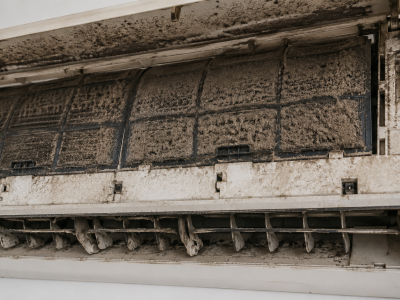
Your air conditioner plays a major role in keeping your home cool and comfortable, especially during hot summer months. But if your system is dirty or poorly maintained, you may wonder: Can a dirty air conditioner make you sick?
The short answer is yes. A neglected AC system can circulate dust, mold, bacteria, and other airborne contaminants throughout your home, potentially affecting your health and indoor air quality.
In this guide, we’ll explain how dirty air conditioners can impact your health, common symptoms to watch for, and what you can do to keep your HVAC system clean and safe. Working with a trusted HVAC contractor in Springfield, MO, can help improve your indoor air quality and keep your cooling system operating efficiently.
How Can a Dirty Air Conditioner Affect Your Health?
Air conditioners constantly circulate air through your home. Over time, dust, dirt, pet dander, moisture, and mold can build up inside the system. When that happens, your AC may spread contaminated air into the rooms where you live and sleep.
Poor indoor air quality caused by a dirty AC system may contribute to:
- Allergies
- Respiratory irritation
- Sinus congestion
- Headaches
- Asthma flare-ups
- Fatigue
- Mold-related symptoms
If your system hasn’t been cleaned or serviced regularly, it could become a breeding ground for bacteria and mold spores.
Common Health Symptoms Caused by a Dirty AC
Many homeowners don’t realize their HVAC system may be contributing to their symptoms. Here are some common warning signs:
1. Allergy Symptoms Indoors
If you notice sneezing, itchy eyes, coughing, or congestion primarily when indoors, your air conditioner may be circulating allergens.
2. Worsening Asthma
Dirty air filters and ductwork can aggravate asthma symptoms by spreading dust and airborne irritants.
3. Frequent Headaches
Poor indoor air quality and mold exposure may contribute to headaches or dizziness.
4. Fatigue and Poor Sleep
Contaminated air can affect sleep quality and overall comfort.
5. Musty Odors
A musty smell coming from vents often indicates mold or mildew growth inside the system.
If you notice these issues, it may be time to schedule professional AC repair in Springfield, MO, to inspect and clean your system.
What Makes an Air Conditioner Dirty?
Several parts of your HVAC system can collect dirt and contaminants over time.
Dirty Air Filters
Clogged filters reduce airflow and allow dust and allergens to circulate throughout your home.
Moldy Evaporator Coils
Moisture buildup around evaporator coils creates an environment where mold can grow.
Dirty Ductwork
Dust, pet hair, pollen, and debris can accumulate in air ducts and spread through the system.
Blocked Drain Lines
Condensation drain lines can become clogged, leading to standing water and mold growth.
Dusty Blower Components
Blower motors and fans can collect dirt that gets pushed into your indoor air.
Routine maintenance from an experienced HVAC contractor in Springfield, MO can help prevent these issues before they affect your health.
Can Mold in an Air Conditioner Make You Sick?
Yes. Mold exposure is one of the most common health concerns linked to dirty air conditioners.
When mold spores circulate through your home, they can cause symptoms such as:
- Coughing
- Sneezing
- Eye irritation
- Skin irritation
- Wheezing
- Breathing difficulties
People with allergies, asthma, weakened immune systems, or respiratory conditions may be especially sensitive to mold exposure.
If you smell mold or mildew coming from your vents, you should have your system inspected immediately.
How to Prevent a Dirty Air Conditioner From Affecting Your Health
Fortunately, regular maintenance can significantly improve indoor air quality and reduce health risks.
Replace Air Filters Regularly
Most HVAC filters should be replaced every 1–3 months, depending on usage, pets, and allergies.
Schedule Annual AC Maintenance
Professional tune-ups help clean internal components and identify issues early.
Keep Vents and Registers Clean
Dust buildup around vents can reduce air quality and airflow.
Control Indoor Humidity
Excess humidity encourages mold growth inside HVAC systems.
Clean Around the Outdoor Unit
Keeping the condenser area free from debris improves efficiency and airflow.
If your system is older or frequently causes indoor air quality issues, upgrading with a professional AC installation in Springfield, MO, may provide cleaner, more energy-efficient cooling.
Signs Your AC Needs Professional Cleaning
You should consider professional HVAC cleaning if you notice:
- Persistent dust in your home
- Weak airflow
- Unpleasant odors from vents
- Increased allergy symptoms
- Visible mold near vents
- Higher energy bills
- Excess humidity indoors
Professional technicians can inspect coils, ductwork, drain lines, filters, and airflow performance to ensure your system is operating safely.
Does Air Conditioner Maintenance Improve Indoor Air Quality?
Absolutely. Routine HVAC maintenance helps:
- Remove contaminants from the system
- Improve airflow
- Reduce allergens
- Prevent mold growth
- Increase energy efficiency
- Extend equipment lifespan
A clean HVAC system doesn’t just improve comfort — it helps create a healthier home environment.
Frequently Asked Questions
Can sleeping with a dirty AC make you sick?
Yes. Prolonged exposure to poor indoor air quality may trigger allergies, respiratory irritation, or other symptoms.
How often should an air conditioner be cleaned?
Most HVAC systems should receive professional maintenance at least once per year.
Can a dirty AC cause coughing?
Yes. Dust, mold, and airborne contaminants can irritate the respiratory system and cause coughing.
Is mold in an air conditioner dangerous?
Mold exposure can be harmful, especially for people with allergies, asthma, or weakened immune systems.
Final Thoughts
So, can a dirty air conditioner make you sick? Unfortunately, yes. A poorly maintained HVAC system can circulate dust, mold, bacteria, and allergens that negatively affect your indoor air quality and overall health.
The good news is that regular maintenance, filter changes, and professional inspections can help keep your air conditioner clean and operating safely.
If you suspect your HVAC system may be affecting your indoor air quality, contact a reliable HVAC contractor in Springfield, MO for professional cleaning, repair, and maintenance services.

 What Does a Condenser Do in an Air Conditioner?