
When homeowners think about their air conditioner, they usually picture the outdoor unit sitting beside the house. While that outdoor condenser is certainly important, one of the most critical components of the cooling process is actually located indoors: the evaporator coil.
After 15 years of working on residential and commercial HVAC systems, I’ve found that many homeowners don’t know what the evaporator does until something goes wrong with it. Yet this component is responsible for the actual cooling that makes your home comfortable during hot weather.
If you’re wondering what the evaporator does in an air conditioner, the simple answer is this: the evaporator coil absorbs heat from the air inside your home, allowing your air conditioner to cool your living space.
Let’s take a closer look at how it works and why it’s so important.
What Is an Evaporator Coil?
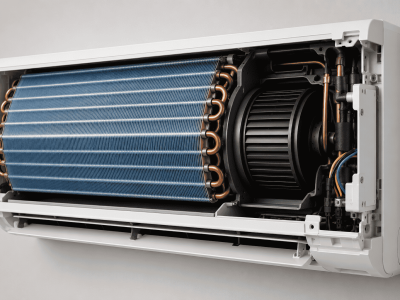
The evaporator coil is an indoor HVAC component typically located inside the air handler or attached to the furnace in a central air conditioning system. It is made of copper, aluminum, or a combination of both, and contains refrigerant flowing through a series of tubes.
Although it may look like a simple metal coil, it serves as the primary heat-absorbing component of your air conditioning system.
Every central air conditioner, heat pump, and many ductless mini-split systems rely on an evaporator coil to remove heat from indoor air.
How Does an Evaporator Coil Work?
To understand the evaporator’s role, it helps to know a basic principle of air conditioning: air conditioners do not create cold air. Instead, they remove heat from your home and transfer it outdoors.
The evaporator coil is where that heat removal begins.
As warm indoor air passes over the cold evaporator coil, the refrigerant inside the coil absorbs heat from the air. This causes the refrigerant to evaporate from a low-pressure liquid into a gas, which is why the component is called an “evaporator.”
The cooled air is then circulated back through your ductwork and into your living spaces.
Meanwhile, the refrigerant carrying the absorbed heat travels to the outdoor condenser unit, where that heat is released outside.
This continuous cycle repeats throughout the day to maintain your desired indoor temperature.
Why Is the Evaporator Coil So Important?
Without the evaporator coil, your air conditioner would be unable to remove heat from your home.
Think of the evaporator as the system’s heat collector. The condenser gets much of the attention because it’s visible outdoors, but the evaporator is doing the actual work of extracting heat from the indoor environment.
A properly functioning evaporator coil helps:
- Lower indoor temperatures
- Improve comfort levels
- Reduce humidity inside the home
- Increase energy efficiency
- Support proper airflow throughout the system
When the evaporator isn’t working correctly, cooling performance drops significantly, regardless of how well the outdoor unit is operating.
Does the Evaporator Coil Remove Humidity?
Yes. One of the most overlooked functions of the evaporator coil is humidity removal.
As warm, humid air moves across the cold coil surface, moisture in the air condenses into water droplets. This process is similar to the way water forms on the outside of a cold beverage on a hot day.
The condensed water drains away through the condensate drain line, helping reduce indoor humidity levels.
Lower humidity makes your home feel more comfortable and can reduce the likelihood of mold growth, musty odors, and indoor air quality issues.
In many climates, homeowners notice improved comfort not only because the air is cooler but also because it is less humid.
What Happens When an Evaporator Coil Gets Dirty?
Over time, dust, pet hair, pollen, and other airborne contaminants can accumulate on the evaporator coil.
A dirty evaporator coil acts like a blanket, preventing efficient heat transfer.
As a result, you may experience:
- Reduced cooling performance
- Higher energy bills
- Longer run times
- Uneven temperatures
- Increased wear on HVAC components
I’ve seen countless service calls where homeowners believed they needed a major repair, only to discover that a severely dirty coil was restricting airflow and reducing cooling capacity.
Routine maintenance is one of the best ways to keep the evaporator operating efficiently.
Can an Evaporator Coil Freeze?
Yes, and it’s a surprisingly common problem.
When airflow becomes restricted or refrigerant levels drop too low, the evaporator coil can become excessively cold and begin accumulating ice.
Homeowners may notice:
- Weak airflow from vents
- Warm air coming from registers
- Ice buildup on refrigerant lines
- Water leaks around the indoor unit
A frozen evaporator coil should never be ignored. Continuing to operate the system can potentially damage other components and lead to more expensive repairs.
How Long Does an Evaporator Coil Last?
Most evaporator coils last between 10 and 15 years, although lifespan can vary based on maintenance, operating conditions, installation quality, and environmental factors.
Regular professional maintenance can significantly extend coil life by keeping the surface clean and identifying issues before they become major problems.
If your system is older and experiencing frequent refrigerant leaks or cooling issues, an HVAC technician may recommend coil replacement or, in some cases, replacing the entire system.
Signs Your Evaporator Coil May Be Failing
Many homeowners don’t realize their evaporator coil is developing problems until comfort levels begin to decline.
Common warning signs include:
- Reduced cooling capacity
- Higher utility bills
- Warm air from vents
- Ice on refrigerant lines
- Excessive indoor humidity
- Frequent system cycling
- Refrigerant leaks
- Unusual hissing sounds
If you notice any of these symptoms, it’s a good idea to have the system inspected by a qualified HVAC professional.
Is the evaporator coil inside or outside?
The evaporator coil is located inside your home, typically within the air handler or attached to the furnace.
What does the evaporator coil do in an air conditioner?
The evaporator coil absorbs heat and humidity from indoor air, allowing the air conditioner to cool your home.
Can an air conditioner run without an evaporator coil?
No. The evaporator coil is essential to the refrigeration cycle and is required for the cooling operation.
Does a dirty evaporator coil affect energy efficiency?
Yes. Dirt buildup reduces heat transfer efficiency, forcing the system to work harder and consume more energy.
How often should an evaporator coil be cleaned?
Most HVAC professionals recommend annual maintenance inspections. Cleaning frequency depends on factors such as filter quality, pets, indoor air quality, and system usage.
Final Thoughts
The evaporator coil may not be the most visible part of your air conditioning system, but it is one of the most important. Its job is to absorb heat and humidity from your home’s air, making comfortable indoor temperatures possible even during the hottest months of the year.
As someone who has spent more than 15 years diagnosing and repairing HVAC systems, I can confidently say that many cooling problems trace back to issues involving airflow, maintenance, or the evaporator coil itself. Understanding how this component works can help homeowners recognize problems early, improve system efficiency, and extend the life of their air conditioner.
If your home isn’t cooling properly, the evaporator coil is often one of the first places an experienced HVAC technician will investigate.

 Can a Dirty Air Conditioner Make You Sick? Signs, Risks & Prevention Tips