
Keeping 100-Year-Old Lofts, Shops & Restaurants Safe, Warm & Efficient
Heating in Downtown Springfield Isn’t Like Heating Anywhere Else
Downtown Springfield, MO, is one of the region’s most unique neighborhoods, filled with 1900–1930-era commercial buildings, historic brick facades, sidewalk-level shops, and loft apartments directly above restaurants, bars, coffee shops, and galleries. These structures are full of charm, but they also come with unusual heating challenges that standard HVAC companies aren’t always prepared to handle.
Whether you rent a loft overlooking Park Central Square or own a storefront along St. Louis Street, Walnut Street, or South Avenue, your furnace must support the needs of a dense, mixed-use environment, harsh winter drafts, older duct systems, unlined chimneys, and architectural limitations not found in modern homes.
We explained exactly how furnace repair and installation should be handled in Downtown Springfield’s historic buildings. So residents stay warm, and business owners stay open.
Why Downtown Springfield Buildings Require Specialized Furnace Service
Early 1900s Construction Creates Heating Challenges
Many Downtown structures were built between 1900 and 1930. These buildings were never designed for modern gas furnaces, high-efficiency systems, or today’s ventilation standards.
You’ll often find solid brick walls with no insulation, Narrow mechanical rooms, Shared walls between shops and lofts, Plaster ceilings concealing inaccessible ductwork, and the chimneys that were never lined for modern venting. This creates major airflow, safety, and furnace installation constraints.
Mixed-Use Buildings Add Complexity
Most Downtown Springfield buildings follow the same pattern:
Shops, restaurants, and bars at street level
Loft apartments, offices, or studios above
This combination means:
- Temperature loads vary dramatically from one floor to another
- Restaurants generate heat, grease, humidity, and odors
- Frequent door openings create heat loss
- Noise transfer from mechanical rooms can affect tenants
- Building managers must coordinate between residents + business owners
Your furnace system must be balanced for multiple environments, not just a single-family home.
Older Ductwork & Airflow Issues Are Extremely Common
Ducts in historic buildings tend to be too small, too long, unbalanced, or hidden behind plaster, brick, or outdated cosmetic upgrades. Proper furnace repair in Downtown requires understanding these limitations; otherwise, you end up with overheated bedrooms or cold storefronts.
Furnace Repair for Downtown Springfield Lofts & Apartments
Lofts above Downtown shops have their own set of heating problems. Like, Drafts and Cold Zones. Actually, historic windows, aged doors, and uninsulated brick walls create cold bedrooms and uneven thermostat performance.
An expert furnace technician must diagnose airflow and the building envelope, not just the equipment.
Older Furnaces Pushing Warm Air Through Oversized Lofts
Many Downtown lofts have high ceilings, large open layouts, or exposed brick walls that absorb heat. These issues make the furnace run constantly, slow time to reach the set temperature, and persistent cold mornings.
A proper repair includes system balancing and airflow correction, not just replacing a part.
Noise From Mechanical Closets
Because many Downtown lofts were retrofitted later, furnaces were often placed in bedroom closets, inside storage rooms, and in shared hallway spaces. Repairs must focus on quiet operation and vibration reduction, or tenants will suffer.
Furnace Installation in Historic Downtown Springfield Buildings
Replacing or installing a furnace in Downtown Springfield isn’t as simple as “swap it out.” You must account for:
Structural Limitations in Early 20th-Century Buildings
Installers must navigate narrow stairwells, no freight elevators, Small mechanical rooms, and low-ceiling basements. This requires pre-planning, smaller equipment footprints, and often multi-visit coordination.
Choosing the Right Furnace for Downtown Buildings
High-Efficiency Gas Furnaces (Recommended)
Old buildings benefit from sealed combustion, reduced venting issues, better airflow control, and lower utility bills.
Low-Profile Furnaces for Small Mechanical Rooms
Many Downtown mechanical spaces are barely large enough for equipment; specialty compact furnaces fit better.
Rooftop Units for Commercial Spaces
Restaurants and retail shops often rely on rooftop systems to avoid interior constraints.
Venting & Flue Upgrades
Historic chimneys may not be safe. A proper installation requires chimney lining, metal vent upgrades, new sidewall venting, and CO sensor integration. Without this, a furnace installation becomes dangerous.
Noise Control for Lofts Over Shops
New furnace installations include vibration pads, sound-damping insulation, quiet ECM blowers, and correct duct transitions. This keeps the loft units peaceful even when the shop below is busy.
Commercial Furnace Repair for Downtown Springfield Shops & Restaurants
Businesses in Downtown Springfield have unique heating demands. They often experience high foot traffic, leading to heat loss. We fix it by installing stronger blowers and optimizing vestibule heating.
For restaurants, we make sure your furnace and HVAC system must work with your exhaust hood system, not against it.
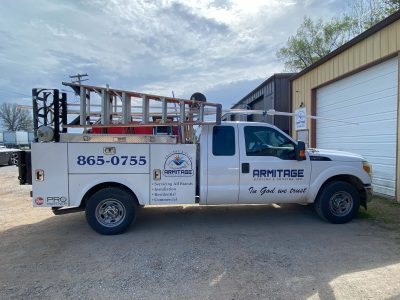
Contact Armitage Heating and Cooling For HVAC Services in Downtown Springfield
If you live in a Downtown Springfield loft or apartment and your furnace is loud, uneven, or struggling to keep up with the cold. Schedule a same-day furnace repair or safety inspection. We work around your schedule, respect your building, and understand the heating challenges of historic Downtown lofts.

 Heating Repair Near Hickory Hills in Springfield, MO | Furnace Service You Can Depend On
Leave a Reply